AI SEO: How to Improve Your Brand Visibility in Google and AI Search
Search engine optimization is evolving as artificial intelligence changes how people discover information, compare products, and choose businesses online. Traditional search engines remain important, but users are increasingly turning to AI-powered platforms to find recommendations, research services, and receive direct answers to their questions.
For businesses, this shift creates a new opportunity: becoming visible not only in traditional search results but also in AI-generated answers.
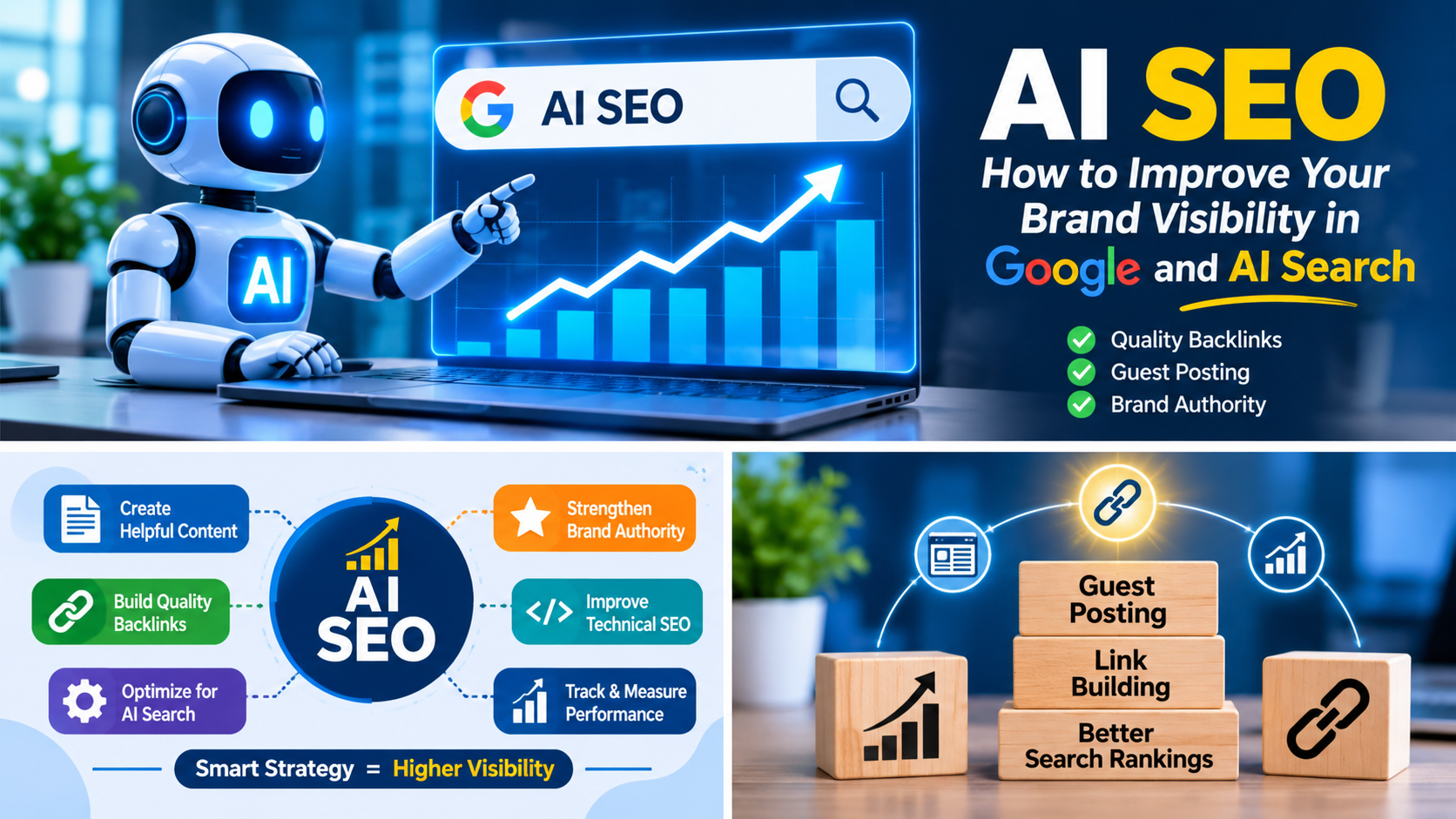
This is where AI-SEO (Artificial Intelligence Search Engine Optimization) becomes important. By combining traditional SEO techniques with high-quality content, relevant backlinks, brand authority, and a strong digital presence, businesses can improve their chances of being discovered across different search experiences.
However, AI-SEO is not simply about using artificial intelligence to produce more content. It requires a strategic approach to helping search engines and AI systems understand, evaluate, and recognize a brand.
In this guide, we explore how AI-SEO works, why backlinks and guest posting remain valuable, and how businesses can develop a sustainable strategy for improving online visibility.
What Is AI-SEO?
AI-SEO refers to the process of optimizing websites and digital content for search experiences powered by artificial intelligence. It combines traditional search engine optimization with techniques designed to improve how AI systems understand and retrieve information about businesses, products, and services.
Traditional SEO primarily focuses on improving visibility in search engine results pages. AI-SEO expands this objective by considering how brands appear in AI-generated responses, conversational search experiences, and answer-focused platforms.
For example, someone looking for a reliable link-building agency might search Google using a traditional keyword. Another person might ask an AI assistant:
“Which agencies offer reliable guest posting and white-hat link-building services?”
Both searches represent opportunities for businesses to become visible.
An effective AI-SEO strategy helps brands establish relevant information, demonstrate expertise, and develop credible signals across the web.
Why AI-SEO Matters for Modern Businesses
Online competition is becoming increasingly challenging. Businesses are no longer competing only for traditional keyword rankings. They also need to establish credibility and visibility across multiple digital platforms.
AI-powered search experiences make this especially important because users can receive summarized answers instead of browsing several websites individually.
Here are several reasons businesses should consider AI-SEO as part of their digital marketing strategy.
1. Changing Search Behavior
People increasingly use conversational queries when researching products and services. Instead of entering short keywords, they ask detailed questions and expect personalized answers.
For example:
- What are the best SEO strategies for small businesses?
- How can a company build high-quality backlinks?
- Which guest posting services offer niche-relevant placements?
- How can businesses improve their visibility in AI search?
Businesses that publish informative, well-organized content can create more opportunities to address these questions.
2. Building Brand Recognition
Brand recognition is an important part of online authority. When a business consistently publishes useful information and receives relevant mentions from credible websites, it can establish a stronger digital presence.
AI systems may use information from multiple sources when generating answers. Therefore, having consistent and accurate brand information across the web can support discoverability.
3. Reaching Potential Customers
AI-SEO can help businesses connect with audiences during different stages of the buying journey.
Some users are researching general information, while others are comparing providers or looking for a specific service.
Creating content that answers these different needs can attract relevant visitors and support lead generation.
AI-SEO vs. Traditional SEO: What’s the Difference?
Traditional SEO and AI SEO have different areas of emphasis, but they share many foundational principles.
Traditional SEO focuses on improving website visibility through technical optimization, relevant content, keyword targeting, and backlinks.
AI-SEO adds greater attention to conversational search, contextual relevance, brand entities, structured information, and visibility in AI-generated responses.
Here are the major differences:
| Traditional SEO | AI SEO |
|---|---|
| Focuses on search engine rankings | Also focuses on AI-generated visibility |
| Targets keywords and search intent | Targets conversational questions and context |
| Builds website authority | Develops website and brand authority |
| Uses backlinks and internal links | Also considers credible brand mentions |
| Tracks rankings and organic traffic | Also monitors AI mentions and citations |
| Optimizes traditional search results | Optimizes information for AI discovery |
The important point is that AI SEO does not replace traditional SEO. A technically sound website, valuable content, and a credible backlink profile remain important foundations.
5 Effective AI-SEO Strategies to Improve Online Visibility
Businesses looking to strengthen their online presence should focus on strategies that provide genuine value to users while helping search systems understand their websites.
1. Create Helpful, Answer-Focused Content
Content quality remains essential for both traditional and AI-driven search experiences.
Rather than publishing articles solely to include specific keywords, businesses should focus on answering real questions and solving audience problems.
For example, an SEO agency could publish articles covering:
- How guest posting supports website authority.
- What makes a backlink valuable?
- How to evaluate a link-building agency.
- What is Generative Engine Optimization?
- How can businesses improve brand visibility in AI search?
Use clear headings, descriptive paragraphs, relevant examples, and concise explanations.
It is also helpful to provide direct answers near the beginning of important sections before expanding on the topic.
This structure makes content easier for readers to navigate and can help search systems identify relevant information.
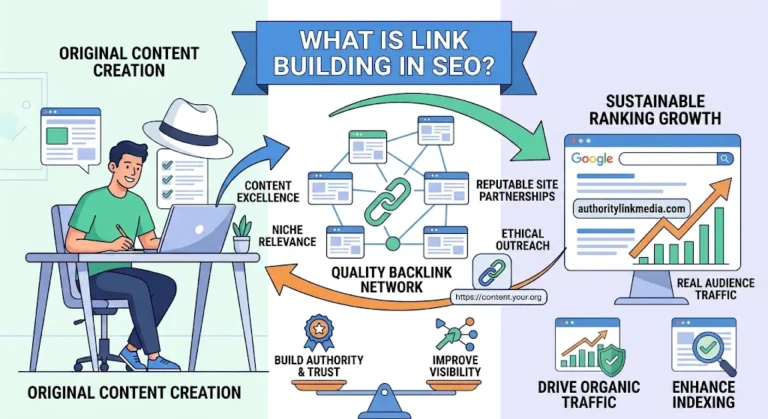
2. Build High-Quality Backlinks Through Guest Posting
Backlinks remain an important part of traditional SEO, and credible third-party publications can also help establish brand visibility.
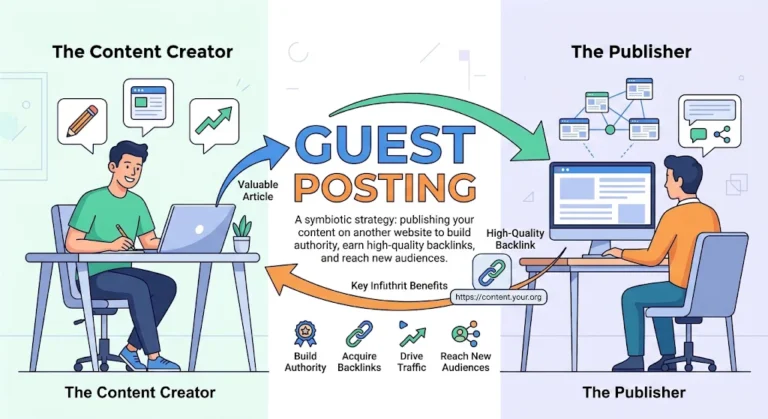
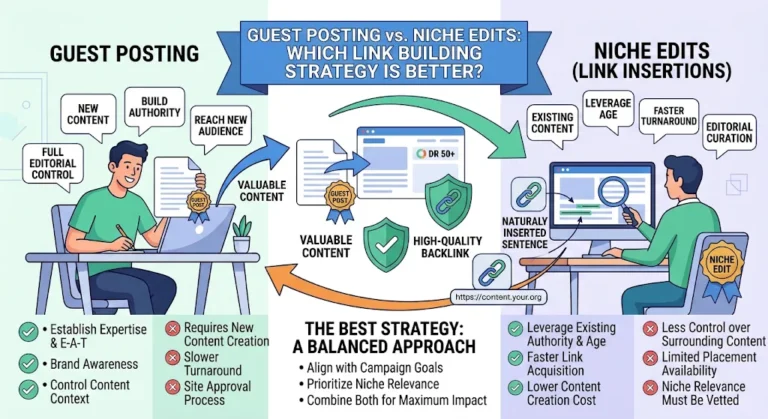
Guest posting is one approach to earning relevant editorial links and introducing a business to new audiences.
Through guest posting, businesses contribute informative articles to websites within relevant industries. These articles can include contextual links to useful pages on their own websites.
However, successful guest posting requires more than simply acquiring a large number of backlinks.
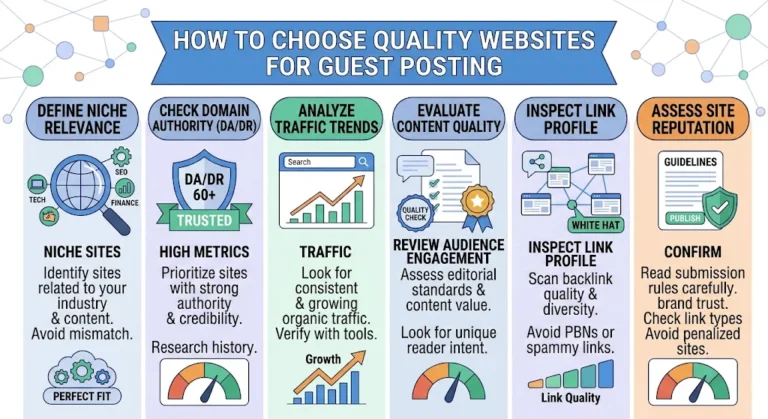
Businesses should prioritize:
- Relevant websites within their industry.
- Publishers with genuine organic traffic.
- Original and informative article content.
- Natural contextual link placements.
- Editorial standards and quality control.
- A diverse and relevant backlink profile.
For example, a software company may benefit more from earning a relevant editorial mention on a technology publication than from receiving an unrelated backlink from a general website.
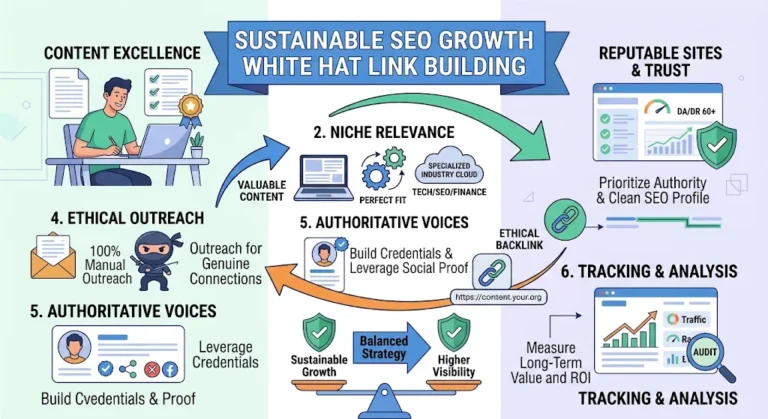
Quality, relevance, and editorial credibility should guide every link-building decision.
3. Strengthen Brand Authority Across the Web
AI-SEO is not limited to optimizing individual website pages. Businesses should also develop a consistent presence across relevant digital platforms.
Brand authority grows when customers, industry publications, and other credible sources recognize and reference a business.
Some useful activities include:
- Publishing expert contributions on industry websites.
- Participating in relevant industry discussions.
- Maintaining accurate business profiles.
- Earning editorial brand mentions.
- Sharing original research and useful insights.
- Building relationships with publishers and industry professionals.
Consistent brand information helps people and search systems understand what a business offers and which topics it is associated with.
4. Optimize Content for Generative Engine Optimization (GEO)
Generative Engine Optimization, commonly known as GEO, focuses on improving the likelihood that content and brand information will be discovered, understood, and referenced by generative AI platforms.
GEO and AI-SEO overlap significantly.
Businesses can strengthen their content for AI-driven discovery by using a clear information structure.
Consider implementing these practices:
Use descriptive headings: Organize articles into meaningful sections that directly address relevant topics.
Include factual information: Support important statements with reliable evidence, examples, and references where appropriate.
Answer specific questions: Address common customer questions through dedicated sections and FAQs.
Use structured data: Implement relevant Schema.org markup to help search engines understand website content.
Maintain topical relevance: Publish related articles that demonstrate meaningful coverage of your industry.
Keep information updated: Review important pages regularly to correct outdated information and maintain accuracy.
These practices improve content clarity and support a better experience for both users and search systems.
5. Develop a Strong Technical SEO Foundation
Even high-quality content can struggle to perform when a website has significant technical problems.
Technical SEO helps search engines discover, crawl, and understand website pages.
Businesses should regularly review:
- Website loading speed.
- Mobile usability.
- XML sitemap configuration.
- Robots.txt accessibility.
- Canonical tags.
- Internal linking structure.
- HTTPS security.
- Indexing issues.
- Relevant structured data.
It is also important to ensure that legitimate search crawlers are not accidentally blocked through website configurations or security settings.
A technically healthy website provides a stronger foundation for long-term search visibility.
How Guest Posting and Link Building Support AI SEO
Guest posting and link building can contribute to a broader AI-SEO strategy by helping businesses establish visibility beyond their own websites.
When a brand is mentioned on relevant third-party publications, it creates additional opportunities for people to discover that business.
These placements can support several marketing objectives.
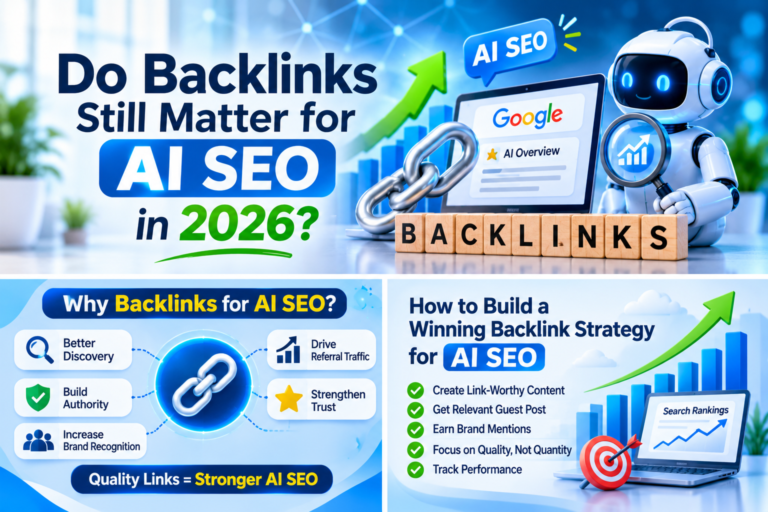
Improved brand discovery: Publishing on relevant websites introduces businesses to audiences who may not have encountered their websites through traditional search.
Referral traffic: Useful editorial placements can bring visitors directly from publisher websites.
Backlink development: Relevant contextual backlinks can contribute to a website’s overall link profile.
Industry credibility: Contributions to respected publications can help demonstrate subject knowledge and establish professional recognition.
Digital footprint expansion: Consistent mentions across relevant websites can strengthen a brand’s presence within its industry.
However, backlinks do not guarantee AI citations or recommendations. No agency can guarantee that ChatGPT, Gemini, Perplexity, or another AI platform will mention a particular brand.
The objective should be to build genuine authority, useful content, and credible online relationships that support sustainable digital growth.
Common AI-SEO Mistakes Businesses Should Avoid
Although AI tools can make SEO workflows more efficient, using them incorrectly can damage content quality and user trust.
Here are some common mistakes to avoid.
Publishing Unedited AI-Generated Content
AI-generated content is not automatically valuable. Publishing large volumes of generic articles without research, editing, or original insights can create a poor user experience.
Use AI as an assistant for research, outlining, and content development. Human review should ensure accuracy, originality, relevance, and usefulness.
Focusing Only on Keyword Density
Repeating keywords excessively does not make an article authoritative.
Instead, use natural language, relevant terminology, and meaningful explanations that match the topic and search intent.
Buying Irrelevant Backlinks
Acquiring backlinks from unrelated or low-quality websites can create an unnatural link profile.
Focus on relevant editorial opportunities rather than chasing backlink quantities or domain metrics alone.
Expecting Instant AI Search Results
AI search visibility takes time and can vary between platforms and queries.
Businesses should avoid unrealistic promises of guaranteed AI rankings, citations, or recommendations.
Ignoring Traditional SEO
Technical problems, weak content, poor website architecture, and a lack of useful information can limit overall search performance.
AI-SEO should complement a strong traditional SEO strategy rather than replace it.
How to Measure AI-SEO Performance
Measuring AI-SEO performance requires looking beyond traditional keyword rankings.
Businesses can monitor several indicators to understand whether their visibility strategy is improving.
Organic search performance: Track impressions, clicks, and search queries through Google Search Console.
AI brand mentions: Test relevant customer questions across AI platforms and record whether the business appears in responses.
AI citations: Monitor whether AI-generated answers reference the company’s website or other relevant brand sources.
Referral traffic: Use analytics tools to identify visitors arriving from AI-powered platforms.
Backlink growth: Review newly acquired referring domains, link relevance, and placement quality.
Conversions: Measure whether organic and referral visitors generate inquiries, leads, or sales.
Tracking these indicators over time helps businesses identify opportunities and refine their strategies.
The Future of AI SEO and Digital Authority
Search technology will continue evolving, and businesses should prepare for a digital environment where traditional search results and AI-generated answers coexist.
The brands that invest in useful content, technical SEO, genuine editorial relationships, and consistent brand information will be better positioned to adapt.
AI-SEO is not about manipulating algorithms or finding shortcuts to guaranteed visibility. It is about making valuable information accessible, building credibility, and developing a recognizable presence across the digital ecosystem.
For businesses that want sustainable growth, combining traditional SEO with responsible AI search optimization creates a practical long-term approach.
Build Your Online Authority with Authority Link Media
Improving search visibility requires more than publishing content and collecting backlinks. It requires a thoughtful strategy built around relevance, quality, and long-term authority.
At Authority Link Media, we help businesses strengthen their online presence through guest posting, niche-relevant backlinks, link insertions, blogger outreach, and managed link-building campaigns.
Our approach focuses on relevant publisher opportunities, genuine website traffic, contextual placements, and transparent reporting.
Whether you are building a new website or expanding an established brand, strategic link building can support your broader SEO and digital visibility goals.
Ready to strengthen your website authority?
Explore our guest posting and link-building services at Authority Link Media and discover opportunities to grow your brand’s online presence.